Continued from Part One
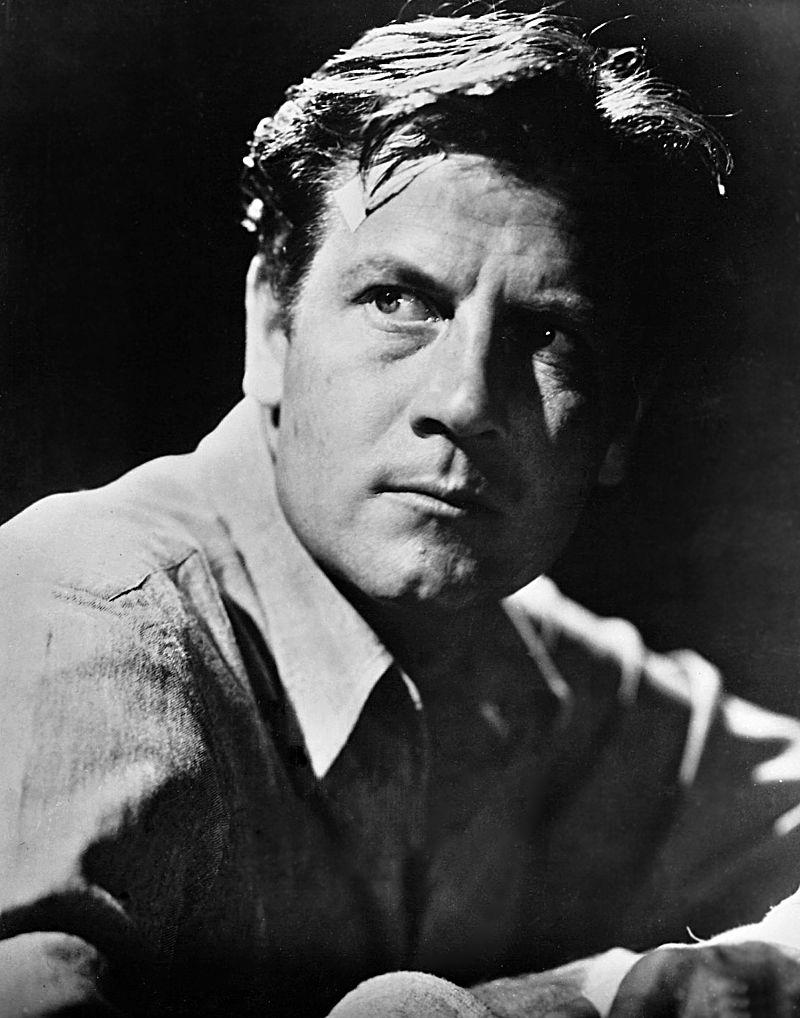
5) Detective Sidney Brooks (Larry Haines) from The Amazing Mr. Malone
In the late 1940s and early 1950s, radio began to move away from the depiction of clowning police officers portrayed in many programs and towards a depiction of police as more competent. The Amazing Mr. Malone did a great job of this in its all-too-brief summer run in 1951. This was a series in which the police foil was allowed to be right, and our crime-solving hero lawyer John J. Malone would find this out the hard way. Larry Haines, a veteran star of many New York-based detective programs, did a great job making Brooks a slightly hard-boiled, yet believable and fun character.
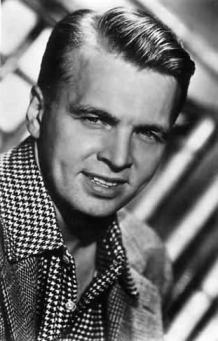
4) Lieutenant LaSalle (Jack Webb) from The New Adventures of Michael Shayne
Before he played Joe Friday in Dragnet, and in the midst of starring in several other detective series, Jack Webb played the recurring police foil to Michael Shayne (Jeff Chandler) in one of the most hard-boiled radio detective series of them all. LaSalle was tough and often appropriately annoyed at Shayne, as well as being wise and street-smart. LaSalle was no one’s fool and made for a believable voice of authority in the wild world of Shayne’s New Orleans.
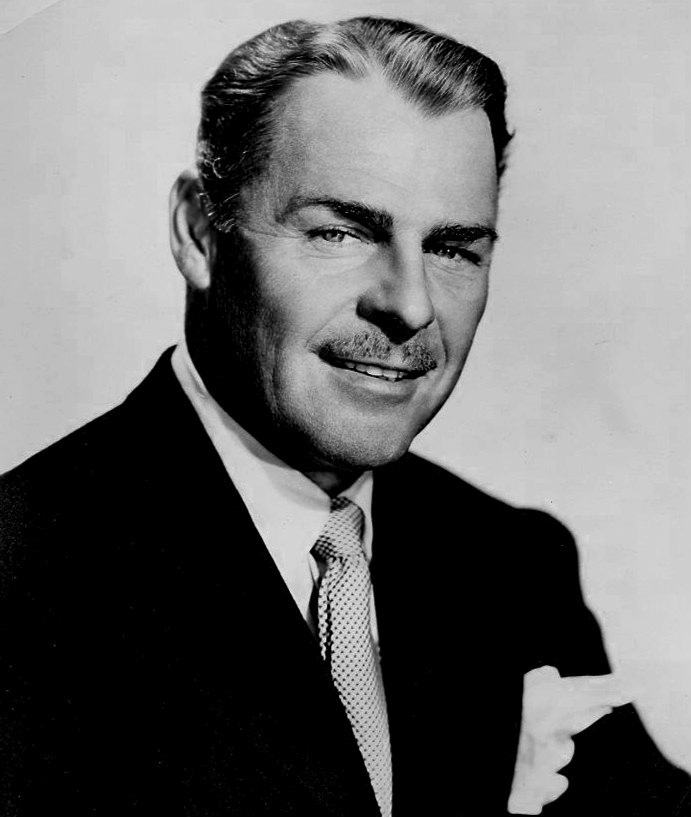
3) Lieutenant Walt Levinson (Multiple) from Richard Diamond, Private Detective
Richard Diamond (Dick Powell) was an ex-cop and Levinson was his buddy on the force. At his best, Levinson was a combination of police foil and straight man to Diamond’s antics, while also struggling with the oafish Sergeant Otis (Wilms Herbert). However, when it came time to get down to business, Levinson was a capable and competent cop. The character managed to be both comedic and serious when needed. Four different actors played the role during the series’ run. In my opinion, the best portrayal was Ed Begley during Richard Diamond’s initial 52-episode run, followed by Arthur Q. Bryan (best know as Elmer Fudd).
2) Lieutenant Riley (Wally Maher) from Let George Do It
Lieutenant Riley was a delightful character to listen to. He was friendly towards George Valentine, but not too chummy. He could lay down the law about where police jurisdiction should lie without feeling like he was acting out of some insecurity or being overbearing. He was smart and generally personable. However, when he got agitated, Wally Maher’s performance made it a delightful bit of comedy.
1) Captain Sam Sabayya (Jay Novello) from Rocky Jordan
Rocky Jordan is set in Cairo, Egypt, a setting different than any other old time radio detective series. In order for it to work, it requires a police foil unlike any other, and Captain Sabayya certainly fits the bill. He’s from an entirely different culture than expat Rocky Jordan, yet they have a grudging respect and even friendship between them. Sabayya is probably one of the most cunning characters in old time radio but plays his cards close to the vest. While Jordan usually starts out ahead, Sabayya catches up and as often as not, overtakes Jordan in getting to the criminal. While he upholds the law, he’s civil and sympathetic to human frailty. Most episodes of Rocky Jordan end with Jordan and Sabayya sharing a cup of Egyptian coffee, the strongest drink a devout Muslim like Sabayya would drink. Overall, Sabayya is one of the most interesting characters in old time radio and by far, the best police foil in old time radio.