Previous Posts: 22-21, 24-23, 26-25, 28-27, 30-29, 33-31, 36-34, 39-37, 42-40, 45-43, 48-46, 51-49, 54-52, 57-55, 60-58, 65-61, 70-66, 71-75, 76-80, 81-85, 86-90, 91-95, 96-100
20) Lum ‘n Abner
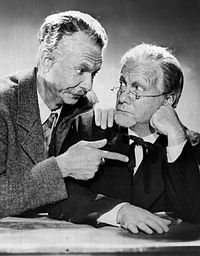 “And now let’s see what’s going on down in Pine Ridge.” With these words, millions of Americans were taken on a journey to the land of Pine Ridge and two leading storekeepers named Lum ‘n Abner who couldn’t quite keep to minding the store, starting gold mines, and even building a rocket ship to the moon.
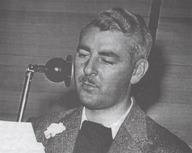
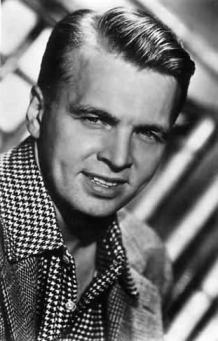
Lum ‘n Abner were really two genuine Arkansas Boys named Chester Lauck and Norris Goff. So actually were most of the rest of the town’s regular citizens including Caleb Weehunt, Milton “Grandpappy” Spears, and Squire “M.K.” Skimp. This guaranteed that the show’s core cast would be together as long as Lauck and Goff both wanted to do the show. There were some guest actors infrequently. Perhaps the greatest recurring voice role was played by Clarence Hartzell who played Benjamin Withers from 1946-49.
Lum ‘n Abner came to radio in 1931. In planning their audition, Lauck and Goff planned to do a black face act but ditched it for country storekeepers based on characters they knew back home in Arkansas. Lum ‘n Abner became a huge hit nationally. The show, at its peak, was fifteen minutes long and aired between 3-5 times a week with a variety of sponsors and networks. They told serialized adventures including starting a mining company and a matrimonial bureau, or a counterfeiter operating out of the Jot ’em Down Store. The stories thrived on comic misunderstanding by Abner of everyday sayings and wordplay that rivaled Abbott and Costello. But Lum ‘n Abner thrived on genuine loyalty, sentiment, and patriotism.
The show was a sensation. The unincorporated area of Waters, Arkansas was renamed to Pine Ridge in honor of the show. It’s Christmas episode became such an American tradition that when the show was on hiatus to make the first of their seven movies, they returned to the air for one night just to do that special. They made history in July of 1938 when they returned to the air again in the middle of a Summer break. With Lauck in England and Goff in the United States, they did the first ever transatlantic simulcast with Lum and Abner doing a live show from thousands of miles apart.
When the War came, few programs did more to spur the national war effort than Lum and Abner who communicated government needs and messages with characteristic good humor. War also came to the town of Pine Ridge. In one poignant episode, Lum had decided to get together a drive to send birthday cards to all the local soldiers. He called the home of one soldier’s family to ask and there was a stunned silence. Lum reported solemnly, “Robert Blevins won’t have any more birthdays,” and then rallied listeners to buy war bonds.
The two kept going strong until 1948 when CBS gave them a half hour weekly program to create an unbeatable night with Lum ‘n Abner in the same line up as Jack Benny and Amos ‘n Andy. The new show offered opportunities for characters that had only been talked about to be heard. However, the show’s producer slowly began to jettison what made Lum ‘n Abner legendary. The humor quickly lost its charm, heart, and rural roots. Soon, the additional characters Lauck and Goff had created were jettisoned and replaced by people playing themselves such as Zasu Pitts, Andy Devine, and Opie Cates. They were cancelled after two season.
Lauck and Goff would make another couple tries at radio. They recorded a pilot for an hour long country music DJ show in the early 50s and later they’d revive their serials as syndicated shows in the mid-50s, but radio was moving on but so did they. However Lum ‘n Abner remain one of the few old radio shows in constant replays in Chicago and Mena. And there’s still annual Lum ‘n Abner festival in their honor as well as a museum at the site of the old Jot ’em Down Store.
19) Lurene Tuttle
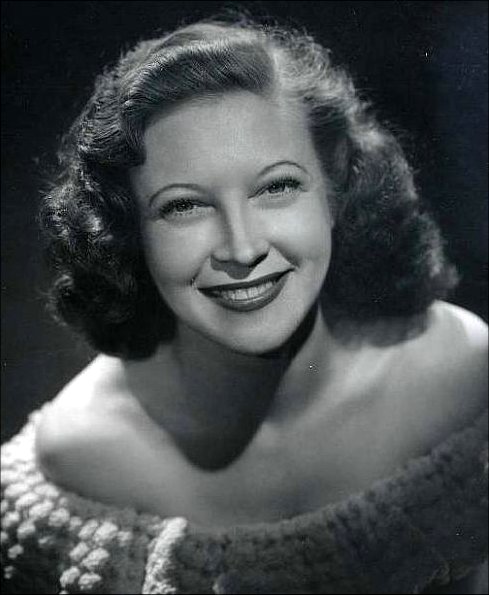
Lurene Tuttle was best known for playing Sam Spade’s brilliantly clueless secretary Effie. She played with both Spades (Howard Duff and Steven Dunne). Her radio acting career began in the 1930s and lasted into the 1960s with her appearances on the Salvation Army’s Heartbeat Theater. She returned in the late 1970s to appear on The Sears Radio Theater. Tuttle’s ability to play characters ranging from the serious to the silly and the sublime and at all ages made her an invaluable commodity. This illustrated by her radiography. In one example Radio Gold Index, she appeared in her regular role on Sam Spade in addition to making guest spots in a romantic story on Hallmark Playhouse, an appearance on Red Skelton’s comedy show, and then an appearance on Mutual’s suspenseful Let George Do It.
Tuttle’s radio work did not go unnoticed. In 1960, she was awarded a star on the Hollywood Walk of Fame for her radio work.
If you enjoyed this post, you can have new posts about Detective stories and the golden age of radio and television delivered automatically to your Kindle.
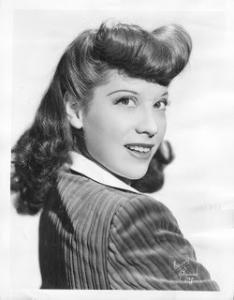 Dinah Shore came to stardom on Eddie Cantor’s Time to Smile program in 1940. Soon, she had her own show for Bristol Myers in 1941 and would be a much sought out performer leading shows for Birds Eye frosted foods, Ford, Philip Morris, and Chevrolet. She was one of America’s most popular singers throughout radio’s golden age. Her popularity made her a guest star for programs from Lights Out to Burns and Allen. She was one of radio’s most popular and talented personalities in an era filled with talented and popular personalities.