
Podcast: Play in new window | Download
Subscribe: Apple Podcasts | Spotify | Amazon Music | iHeartRadio | Email | TuneIn | RSS

Pete investigates a murder at the night club.
Original Air Date: June 29, 1954
Podcast: Play in new window | Download
Subscribe: Apple Podcasts | Spotify | Amazon Music | iHeartRadio | Email | TuneIn | RSS
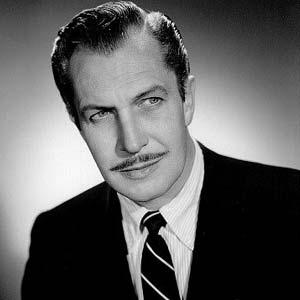
Pete investigates a murder at the night club.
Original Air Date: June 29, 1954
Podcast: Play in new window | Download
Subscribe: Apple Podcasts | Spotify | Amazon Music | iHeartRadio | Email | TuneIn | RSS
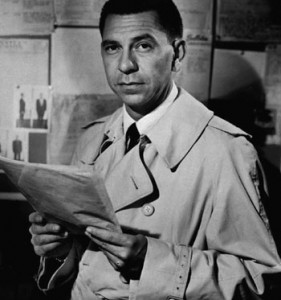
A woman jumps into Simon’s cab after witnessing the murder of a publisher she knew.
Original Air Date: August 13, 1950
Support the show.
Podcast: Play in new window | Download
Subscribe: Apple Podcasts | Spotify | Amazon Music | iHeartRadio | Email | TuneIn | RSS
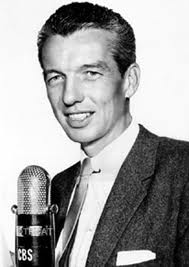
Friday investigates the murder of a professional organist who was killed by a man who entered the garbage chute.
Original Air Date: December 15, 1949
Support the show.
The following is an excerpt of my newest ebook All I Needed to Know I Learned from Dragnet which examines the careers and histories of seven great detectives of literature, radio and film. This is the first of five lessons learned from the immortal Joe Friday:
Do Hard Things; Expect Others to Follow
A pop culture stereotype of a recruiter for dangerous jobs is someone who slyly makes you promises about great benefits and retirement packages and never mentions the risks of the job: including the risk you may not live to enjoy the retirement benefits.
This isn’t true of the vast majority of recruiters, and it wasn’t true of Joe Friday. In the episode, “The Interrogation,” Friday and Gannon were worked out of Internal Affairs. They brought in an undercover rookie cop named Culver who’d been identified as a man who committed an armed robbery.
Culver protested his innocence, felt being pulled into internal affairs was the last straw, and threatened to quit the force. He’d already had enough grief after his fiancée left him over his decision to become a police office. After Friday found out Culver was indeed innocent, he hesitated to tell him because Culver would most likely quit.
Instead Friday decided to address Culver’s inclination to leave. Friday correctly guessed that Culver’s fiancée was disappointed because he was a college graduate and she hoped he’d get better job. This was back when a degree actually held that promise.
To address the despondent cop, Friday could have explained that the department had good job security. There will always be a need for someone to ensure public safety. He could have talked about all the opportunities to be promoted within the department to Lieutenant, Captain, or even the Chief’s office. He could have explained there were plenty of women who would respect Culver’s life choices and be supportive of him.
Instead, Friday said that perhaps the fiancée’s fears were justified and explained what it meant to be a cop. It meant having a schedule constantly subject to change, being disrespected at social functions, and being the butt of jokes. “You’re a cop, a flatfoot, a bull, a dick, John Law. You’re the fuzz, the heat; you’re poison, you’re trouble, you’re bad news. They call you everything, but never a policeman.” He also said the job required sacrifice and frugality. “If you count pennies, you can put your kid through college, but you better plan on seeing Europe on your television set.”
Of the hazards of the job, Friday was said, “When you try to arrest a drunken prostitute in a Main St. bar, and she rips your new uniform to shreds, you’ll buy another one out of your own pocket.”
Friday also didn’t promise a job that was great for your emotional well-being and told Culver he would encounter “…underfed kids, beaten kids, molested kids, lost kids, crying kids, homeless kids, hit-and-run kids, broken-arm kids, broken-leg kids, broken-head kids, sick kids, dying kids, dead kids. The old people nobody wants—the reliefers, the pensioners, the ones who walk the street cold, and those who tried to keep warm and died in a $3 room with an unventilated gas heater. You’ll walk your beat and try to pick up the pieces.”
He warns of boredom and promises more of the same if Culver decides to move up to detective. “You’ll do leg work until you’re sure you’ve talked to everybody in the state of California.”
In addition, Friday promised him that the job would include filling out constant paperwork and that it would mean working with difficult decisions and people he didn’t like in prosecuting crimes. “You’ll learn to live with the District Attorney, testifying in court, defense attorneys, prosecuting attorneys, judges, juries, witnesses. And sometimes you’re not going to be happy with the outcome.”
Why would anyone stay on the police force under those conditions?
Friday explained, “There are over five thousand men in this city who know that being a policeman is an endless, glamourless, thankless job that’s gotta be done. I know it, too, and I’m damn glad to be one of them.”
And that was enough for Culver, who said he’d call his fiancée. It’s also enough for tens of thousands of cops across America who find fulfillment in doing something that’s not always fun but is necessary and vital to the security of civilization.
Friday’s honesty about the challenges he faced was not uncommon in that time. Earlier in that decade, President John F. Kennedy, in challenging America to go to the moon declared, “We choose to go to the Moon in this decade and do the other things, not because they are easy, but because they are hard.”
In addressing Officer Culver, Friday also avoided a key pitfall that many leaders make today. Authors Chip and Dan Heath in their book Made to Stick said that many of those trying to motivate others were “stuck in Maslow’s basement,” a reference to the famous psychologist’s hierarchy of needs, which suggested people’s basic needs—such as food, clothing, shelter, and safety—had to be first be met before they’d care about any higher level needs such as belonging or serving their fellow men. However, we make a mistake if we only seek to motivate everyone by lower-level needs.
According to the Heath brothers, most of the people they interviewed for their book were motivated by higher-level needs but assumed others were motivated only by money and related concerns. Thus many leaders fail to motivate people because they don’t understand what motivated them. Friday believed Culver had been motivated to join the police force by a desire to serve and make a difference in his community. Friday also may have reasoned that, if Culver was only interested in money, ease,and status, he didn’t belong on the police force anyway.
Not all of us are cut out to join the police force, but instead of seeking money or easy work, we can find fulfillment in helping others in whatever our work is or however we volunteer outside of work. If we do find something that motivates us because it tugs at our heart or it’ll make peoples lives better, we should also seek to motivate others to share that vision rather than hoping they’ll see some material benefit.
All I Needed to Know I Learned from Dragnet examines the history and career of seven great fictional detectives and twenty life lessons that can be learned from them. The previous ebook All I Needed to Know I Learned from Columbo is still
For all other e-readers, All I Needed to Know I Learned from Dragnet and All I Needed to Know from Columbo are available at Smashwords.com
Podcast: Play in new window | Download
Subscribe: Apple Podcasts | Spotify | Amazon Music | iHeartRadio | Email | TuneIn | RSS
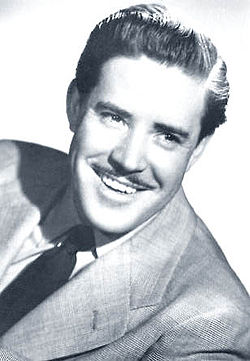
Johnny is called in the by owner of an old fashioned brewery who claims a new brewery’s plans will destroy her’s.
Original Air Date: September 15, 1957
When making your travel plans, remember http://johnnydollarair.com
(more…)
Podcast: Play in new window | Download
Subscribe: Apple Podcasts | Spotify | Amazon Music | iHeartRadio | Email | TuneIn | RSS
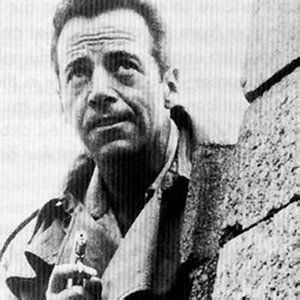
A burglary and the murder of a janitor are tied to Nick Carter’s boys club.
Original Air Date: April 27, 1947
Support the show.
Podcast: Play in new window | Download
Subscribe: Apple Podcasts | Spotify | Amazon Music | iHeartRadio | Email | TuneIn | RSS
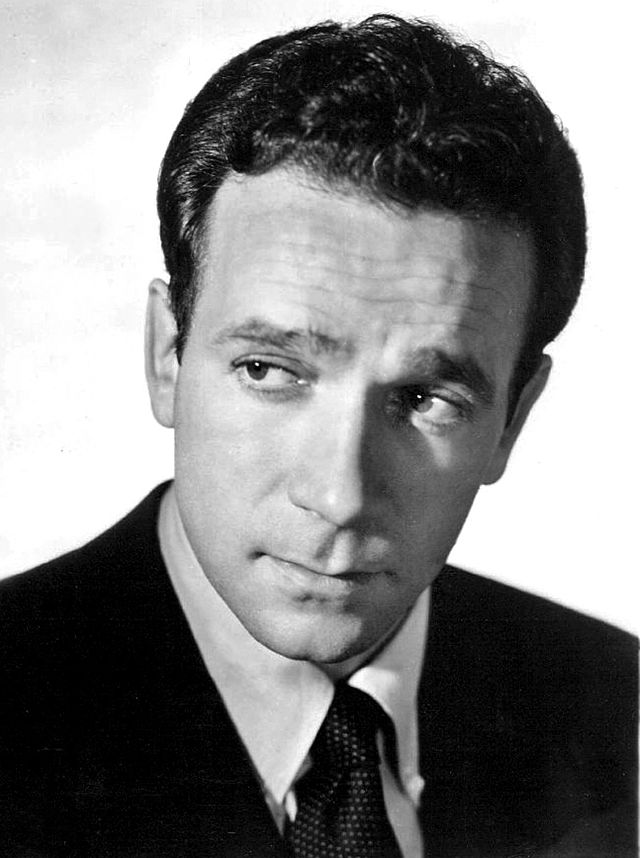
A woman hires Marlowe to help her fiancé who has a gambling problem.
Original Air Date: July 16, 1949
Podcast: Play in new window | Download
Subscribe: Apple Podcasts | Spotify | Amazon Music | iHeartRadio | Email | TuneIn | RSS

A bubble dancer friend of Pete’s refers a Greek Private Investigator in New York to help locate the other half of a valuable tiara.
Original Air Date: June 22, 1954
Support the show.
Podcast: Play in new window | Download
Subscribe: Apple Podcasts | Spotify | Amazon Music | iHeartRadio | Email | TuneIn | RSS

A woman who reads her own obituary turns to Simon for help.
Original Air Date: August 6, 1950
Support the show.
Podcast: Play in new window | Download
Subscribe: Apple Podcasts | Spotify | Amazon Music | iHeartRadio | Email | TuneIn | RSS

Friday and Romero investigate the beating and robbery of a man who just bought two valuable jade thumb rings.
Original Air Date: December 8, 1949
Podcast: Play in new window | Download
Subscribe: Apple Podcasts | Spotify | Amazon Music | iHeartRadio | Email | TuneIn | RSS

Johnny is hired to look into the disappearance of a man on a boat which was insured for three times the man’s life insurance.
Original Air Date: September 8, 1957
When making your travel plans, remember http://johnnydollarair.com
(more…)
Podcast: Play in new window | Download
Subscribe: Apple Podcasts | Spotify | Amazon Music | iHeartRadio | Email | TuneIn | RSS

Nick is hired by an insurance company and demands a free hand in investigating a series of car thefts.
Original Air Date: April 20, 1947
Podcast: Play in new window | Download
Subscribe: Apple Podcasts | Spotify | Amazon Music | iHeartRadio | Email | TuneIn | RSS

Philip Marlowe goes to a friend’s dude ranch and finds himself drawn into a domestic dispute with a guest, a wife, and one of the ranch’s cowboys that quickly turns to murder.
Original Air Date: July 2, 1949
Support the show.
Podcast: Play in new window | Download
Subscribe: Apple Podcasts | Spotify | Amazon Music | iHeartRadio | Email | TuneIn | RSS
When a young cabby who is an ex-con is charged with the murder of a Contessa, Pete tries to prove his innocence.
Original Air Date: June 15, 1954
Podcast: Play in new window | Download
Subscribe: Apple Podcasts | Spotify | Amazon Music | iHeartRadio | Email | TuneIn | RSS

A man claiming to be an author wakes Simon to ask if a crime is insolvable. The next day he finds out the murder appears to have happened.
Original Air Date: July 30, 1950